Acupuncture therapy versus chiropractor therapy to reduce anxiety and depression in people living with HIV/AIDS: A pilot controlled clinical trial.
Acupuncture therapy versus chiropractor therapy to reduce anxiety and depression in people living with HIV/AIDS: A pilot controlled clinical trial.
Chiraphorn Bangsriwong, Eric Tamrazian, Robert D. Hoffman
a Yo San University of Traditional Chinese Medicine, Los Angeles, CA 90066, USA
b International Education College, Zhejiang Chinese Medical University, Hangzhou, Zhejiang 310053, China
Abstract
Background: According to the World Health Organization, HIV remains a significant global public health issue, having claimed
40.4 million [32.9–51.3 million] lives with ongoing transmission in all countries globally, with some countries reporting increasing
trends in new infections when previously on the decline. Most people living with HIV/AIDS (PLWH/A) suffer from mental health
problems, depression, and anxiety more than the general population.
Objectives: This study aimed to measure the effectiveness of acupuncture and chiropractic care in reducing depression and
anxiety among PLWH/A.
Methods: A total of 30 patients at Being Alive in Los Angeles, CA were divided into two groups based on their treatment
preference between December 2022 to March 2024. The acupuncture therapy group and the chiropractor group therapy group
each consisted of 15 patients. The Hospital Anxiety and Depression Scale (HADS), The Patient Health Questionnaire 9-item
(PHQ-9), and Generalized Anxiety Disorder 7-item scales (GAD-7) were used as screening tools for depressive and anxiety
symptoms, respectively.
Results: There were significant decreases in depression and anxiety over the three measurement periods and significant
interaction effects by group. Acupuncture produced significantly larger decreases in depressive (HADS-D, PHQ-9) and anxiety
(HADS-A, GAD-7) scores across the three-month treatment period, with HADS-Depression serving as the primary endpoint.
Conclusion: The rate of depression and anxiety in PLWH/A is remarkably high. Detecting depression and anxiety early and
treating it goes a long way in improving compliance to treatment with Western medicine, and alternative medicine such as
acupuncture and chiropractor can improve the quality of life in PLWH/A.
Keywords: acupuncture, anxiety, depression, chiropractic, Chinese medicine, HIV, AIDS
1. Introduction
AIDS is caused by infection with human retroviruses HIV-1 or 2, with HIV-1 the most common cause worldwide. HIV is predominantly transmitted through anal or vaginal sexual intercourse, as well as through the sharing of needles, syringes, or other equipment used for drug injections. Individuals may contract HIV if they engage in anal or vaginal sex with an HIV-positive partner without employing protective measures, such as condoms or pre-exposure prophylaxis (PrEP). HIV can also be transmitted from a pregnant individual to their infant during pregnancy, childbirth, or breastfeeding. HIV renders the body more susceptible to infections such as tuberculosis, and given the loss of immunoreactivity and immunosurveillance, certain cancers become more prevalent in patients with HIV vs the rest of the population.
Among the neuropsychiatric symptoms of people with HIV, Depression is the most reported. Despite its prevalence, depression is commonly underdiagnosed and consequently untreated in the general population, especially in patients with HIV. Depression in PLHA (people living with HIV/AIDS) may be triggered by stress, complex life events, the side effects of medications, or the Central Nervous System effects of HIV. Research has shown that the detrimental effects of untreated depression in HIV can exacerbate its disease course and accelerate its progression to AIDS (Bhatia MS, 2014). This depression and anxiety in PLWHA can result in poor quality of life and quality of work, school, and family life. Also, risky sexual behavior, the spreading of the virus, and, at its worst, depression can result in suicide (Evans-Lacko S, 2018). This controlled clinical trial aims to compare the effectiveness of acupuncture versus chiropractic care in reducing depression and anxiety among people living with HIV/AIDS (PLWHA).
The specific neurobiological mechanisms that underline HIV-associated depression remain unknown. In the general population, the severity of depression has been correlated with both acute and chronic markers of systemic inflammation. Given the established links between depression and peripheral inflammation, along with the neuroinflammatory response triggered by HIV infection in the central nervous system, it is plausible that neuroinflammation plays a role in the heightened incidence of depression among individuals living with HIV. Systemic illnesses secondary to HIV infection—such as hepatitis, pneumocystis carinii pneumonia, and endocrinopathies can all mimic depression. Malnourishment, specifically with deficiencies in vitamins B6 and B12, also mimics depression. (Andriote).
Table 1. Several HIV medications can also have side effects that can cause depression and other
psychological symptoms, as outlined in the table below.
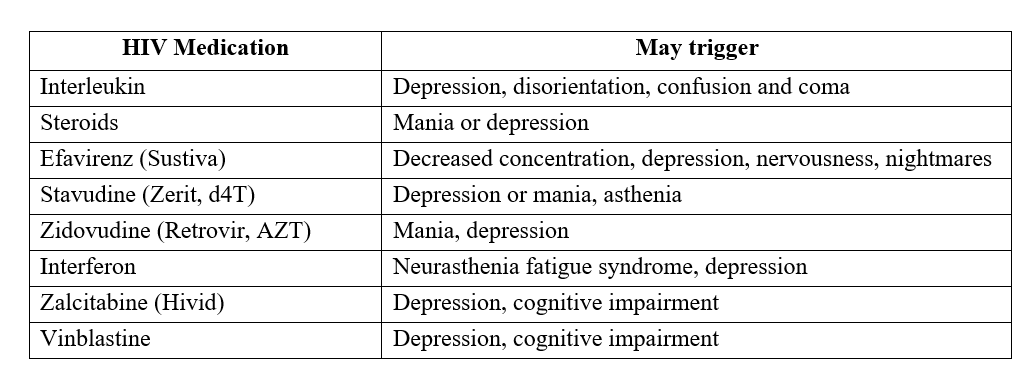
Table 2. Psychopharmacology must include monitoring for drug-drug interactions, primarily the actions of HIV medications that can change the body’s absorption of antidepressants, competition for protein binding effects, and induction/inhibition of CP450, which can alter drug levels.
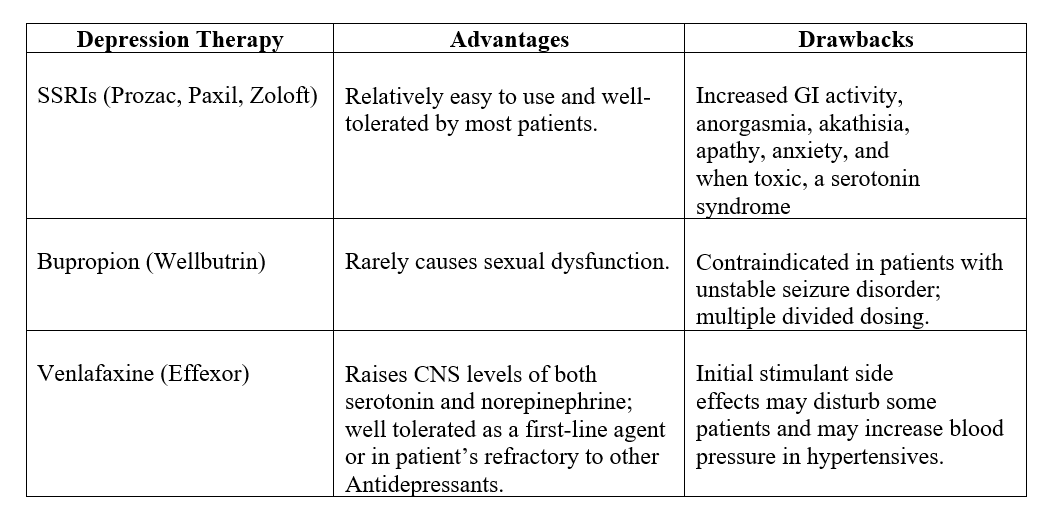
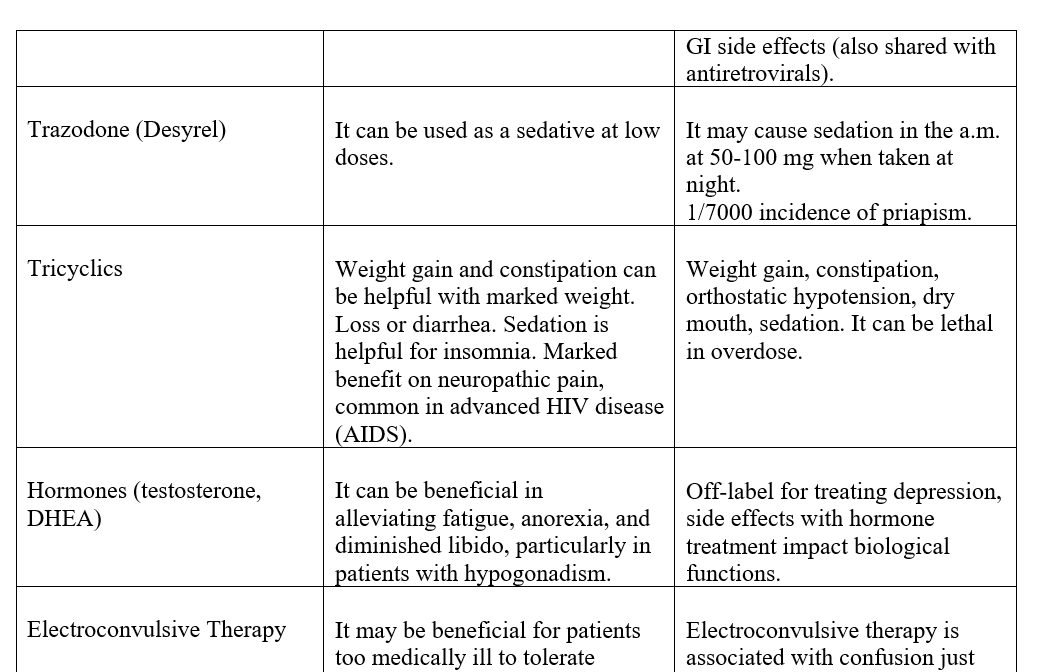
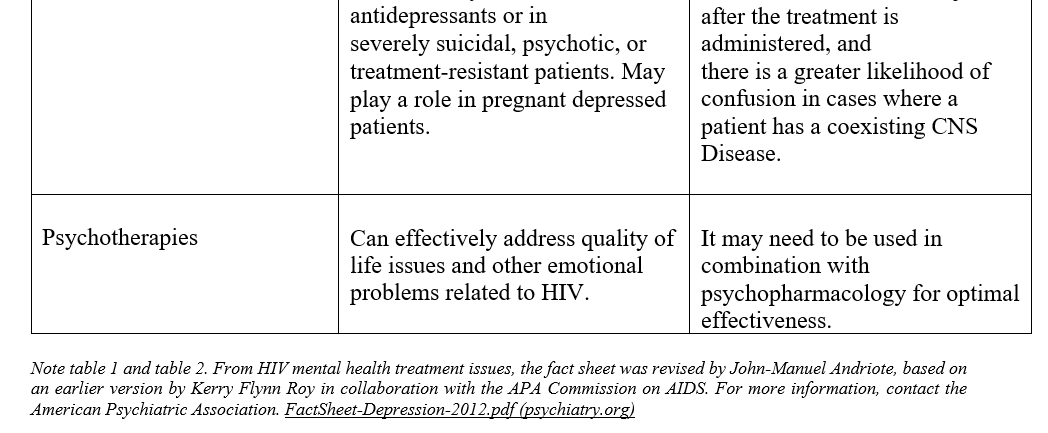
Physicians treating HIV patients with depression must weigh the benefits of treatment and the potential to relieve symptoms of depression against the side effects of the chosen treatment and the likelihood of adverse drug-drug interactions. Each patient and each case are individual and must be approached as such. Treatment for depression can make a significant difference in the physical and emotional well-being of individuals living with HIV (Andriote, 2012).
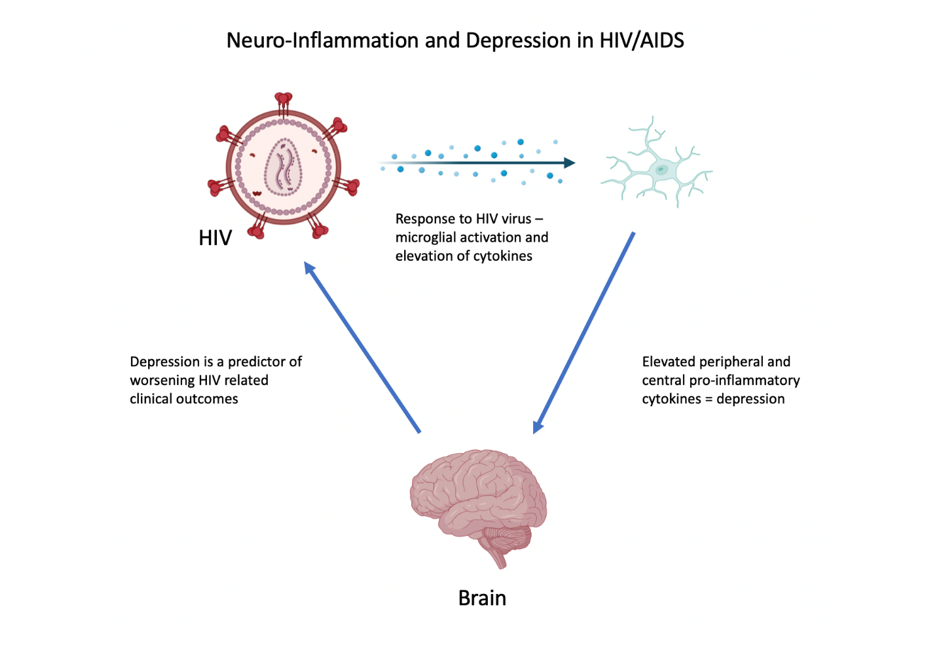
Figure 1. Graphic representation of the relationship between HIV, depression, and neuroinflammation.
Camara et al. (2020) conducted a study aimed at determining the prevalence of anxiety and depression disorders among HIV patients. This cross-sectional study included socio-demographic, clinical, and psychosocial data in a sample of 160 HIV patients from the University Teaching Hospital in Conakry, Guinea. The Hospital Anxiety and Depression Scale (HADS) was employed to measure symptoms of depression and anxiety experienced in the preceding month. The findings indicated a significant prevalence of anxiety and depression symptoms among HIV-infected individuals. Specifically, the prevalence rates for anxiety symptoms were 13.8%, while those for depression stood at 16.9%, with comorbid anxiety and depression observed in 8.1% of the sample; among 27 patients likely experiencing depression, 48.1% reported anxiety, whereas 6.8% indicated experiencing anxiety without depression as suggested by their HAD scores. Furthermore, the study revealed that younger patients exhibited 2.81 times higher levels of anxiety in comparison to their older counterparts (aged 40 years and above). In conclusion, the study highlighted a notable prevalence of anxiety and depression symptoms among treatment-experienced HIV-infected individuals (Camara, 2020).
Another study by Cai et al. (2020) sought to investigate the levels of depression, anxiety, psychological symptoms, and health-related quality of life (HRQOL) in people infected with HIV and to assess the risk factors. The study involved 121 people living with HIV (PLWHIV). The depression score was higher in PLWHIV (47.83 ± 10.58 vs 36.52 ± 9.69 P<0.001). The anxiety score was similar (41.06 ± 11.24 vs. 32.31 ± 7.99, P<0.001). Multivariable analysis revealed that younger age (OR=0.929, P=0.004) and smoking (OR=4.297, P=0.001) were identified as independent factors of depression, while young age (OR=0.890, P=0.008) and alcohol consumption (OR=4.801, P=0.002) were independent factors of anxiety. Results of the SCL-90 questionnaire showed that hostility and paranoia ideation were significantly more pronounced when PLWHIV had depression. Results of HRQOL showed that physical functioning (82.88 ± 14.73 vs 93.41 ± 9.22, P<0.001) and mental health (57.46 ± 17.64 vs 65.68 ± 17.44, P=0.012) were lower in PLWHIV with depression. For PLWHIV with anxiety, vitality (56.96 ± 14.61 vs 67.58 ± 17.57, P=0.004), social functioning (64.52 ± 23.97 vs 74.64 ± 21.47, P=0.036), and mental health (52.57 ± 14.21 vs 65.03 ± 17.98, P=0.001) were lower. High depression levels showed the independent risk factor associated with poor HRQOL (OR=0.370, P=0.001). Important points from this study were that physicians should monitor the mental health status, especially that of younger patients. For PLWHIV with depression and anxiety, psychological intervention should be provided, and social role rebuilding could also be good for depression and anxiety alleviation (Cai, 2020).
In 2021, Sudjaritruk et al. assessed the impact of integrated mental health and HIV services on treatment outcomes for Thai adolescents and young adults living with HIV (AYHIV). They conducted a multicenter prospective cohort study among AYHIV aged 15 to 25 years and age- and sex-matched HIV-uninfected adolescents and young adults (HUAY). The study used the Patient Health Questionnaire 9‐item (PHQ‐9) and Generalized Anxiety Disorder 7‐item scales (GAD‐7) as screening tools for depressive and anxiety symptoms, along with assessing the history of suicidal ideations/attempts. The study found that 21% of AYHIV had elevated mental health screening scores at enrollment, including significant depressive symptoms (11%), significant anxiety symptoms (7%), and suicidality (14%). Some AYHIV had all three co-existing conditions. Further analysis revealed that urban living increased the risk, while older age decreased the risk of elevated mental health screening scores. All AYHIV with elevated mental health screening scores were referred to psychiatrists, and 13% were confirmed to have mental health disorders (MHDs) one year after psychiatric referral. The most common MHDs were adjustment disorder, major depression, anxiety disorders, and post‐traumatic stress disorder. The study concluded that the integration of mental health services, including screenings and psychiatric consultation and referral, is crucial in HIV healthcare facilities to address the significant burden of MHDs among AYHIV.
1.1 Traditional Chinese medicine differential Diagnosis of Depression.
Acupuncture, a key component of traditional Chinese medicine, profoundly impacts the body. It influences synaptic plasticity, increases neurotrophic factors, and leads to neuroprotection, cell proliferation, anti-apoptosis, antioxidant activity, anti-inflammation, and maintenance of the blood-brain barrier (Hsiang-Chun Lai, 2019). The Yellow Emperor's Internal Classic discusses the channel pathways and acupoint systems, which are essential for the flow of energy in the body. The Governing Vessel is the most notable channel pathway in treating depressive disorders as it is the only channel that directly connects to the head and brain. In this channel, Baihui (GV20), Yintang (GV29), and Shenting (GV24) are often used to promote recovery from depressive disorder. In addition, Liver Qi stagnation is a contributing factor to the development of depression, leading to symptoms such as mental stress, reduced spirit and activities, and low self-esteem. Xingjian (LR2), Taichong (LR3), and Qimen (LR14) in the Liver Channel are points commonly used in acupuncture protocols to regulate Liver Qi. In conclusion, applying channels and acupoints for depression emphasizes the use of head acupoints (GV20, GV29, and GV24) and extremities (such as LR3 and LR2), making effective use of superior-inferior acupoint matching (Yang, 2022).
Acupuncture employs precise techniques to treat nervous system diseases effectively by elevating brain-derived neurotrophic factors. It engages multiple signal pathways, including p38 MAPKs, Raf/MAPK/ERK 1/2, TLR4/ERK, PI3K/AKT, AC/cAMP/PKA, ASK1-JNK/p38, and downstream CREB, JNK, mTOR, NF-κB, and Bcl-2/Bax balance. This precision in acupuncture impacts synaptic plasticity, leading to an elevation in neurotrophic factors, resulting in neuroprotection, cell proliferation, anti-apoptosis, antioxidant activity, anti-inflammation, and aids in maintaining the blood-brain barrier (Hsiang-Chun Lai, 2019). Additionally, acupuncture can enhance vagal activities and suppress human sympathetic activities. Research demonstrates that manual acupuncture on the Sishencong points enhanced human cardiac vagal and suppressed sympathetic activities, potentially offering a new approach to managing anxiety and depression (J D Wang, 2002).
Moreover, acupuncture has been found to increase the expression of brain-derived neurotrophic factors (BDNF) in the hippocampus, promoting nerve regeneration and potentially offering neuroprotective effects in depression (Yang, 2022 p. 740).
Clinical studies have demonstrated that acupuncture, when combined with antidepressant medication, may be more effective than antidepressants alone, especially in managing milder cases of depression (Yang, 2022 p. 742). Acupuncture is believed to stimulate biochemical pathways and restore neuronal structures, potentially alleviating depressive-like behaviors. Additionally, acupuncture may promote nerve regeneration and offer neuroprotective effects in depression. Clinical studies have shown that acupuncture combined with antidepressant medication may be more effective than antidepressants alone. However, more extensive clinical trials are needed to evaluate the impact of acupuncture on depression further (Yang, 2022).
1.2 Chiropractic therapy for depression and anxiety.
Although chiropractic care is typically associated with musculoskeletal issues, there is growing evidence suggesting that it may also impact mental health, including symptoms of depression (NeuroLaunch, 2024). Chiropractic treatments aim to enhance spinal alignment and, consequently, nerve function. The theory is that misalignments, or subluxations, can affect the nervous system's communication ability, influencing mood and mental health. Chiropractic care may indirectly impact brain chemistry and neuroendocrine function, potentially influencing mood, and mental states by improving nervous system function. Chiropractic adjustments can alleviate physical discomfort and pain, which may reduce overall stress levels. Chronic pain and stress can exacerbate depression, so relieving physical symptoms may improve mental health. Some patients have reported feeling more relaxed and less anxious after chiropractic adjustments, which could contribute to a reduction in depressive symptoms. These lifestyle factors play a significant role in mental health, and chiropractic care focuses on overall wellness and might contribute to better mental health outcomes. Research on the direct relationship between chiropractic care and depression shows mixed results. Some studies suggest that chiropractic care may help improve mood and reduce depressive symptoms, but these findings are not consistently supported across all studies. Even if the direct impact on depression is not fully established, improving physical symptoms and overall well-being through chiropractic care can contribute to a better quality of life, indirectly affecting mental health. Some patients have reported feeling more positive and less depressed because of reduced pain and improved physical function, suggesting that managing physical health can have secondary benefits for mental health. Evidence suggests that chiropractic adjustments positively impact mood and mental health primarily by reducing physical pain and stress while promoting overall wellness. For individuals experiencing depression, chiropractic care can be a valuable part of a multi-faceted approach to treatment and should be combined with other evidence-based therapies and treatments under healthcare professionals' guidance.
In his 2013 work, Christopher Kent presents an overview of the history and research on chiropractic care and its impact on emotional and psychological health. The nervous system's influence is significant within the scope of chiropractic care. While many chiropractors and their patients primarily address physical disorders, abnormal nervous system function can also impact emotional and psychological well-being. Published research on the connection between mental health and chiropractic care includes single case reports and randomized clinical trials. Further exploration is recommended to investigate the correlation between reducing vertebral subluxation and mental and emotional health and the relationship between chiropractic care and emotional and psychological well-being.
The focus of this pilot controlled clinical trial was to evaluate and compare the effectiveness of acupuncture versus chiropractic therapy in people living with HIV/AIDS (PLWH/A) to reduce symptoms of depression and anxiety. Specifically, we sought to determine if symptoms of depression and anxiety significantly change over time among PLWH/A receiving acupuncture or chiropractic therapy, and are the changes in depression and anxiety symptoms significantly different between individuals receiving acupuncture compared with those receiving chiropractic therapy.
2. Methodology
The controlled clinical trial aims to evaluate and compare the effectiveness of two therapeutic approaches, Acupuncture Therapy and Chiropractor Group Therapy, in reducing symptoms depression and anxiety. The study was conducted from December 2022 to March 2024 at Being Alive, a nonprofit organization focusing on the mental health and wellness of people living with HIV and AIDS, in Los Angeles, California., with Institutional Review Board oversight by Dr. Farshid Namin, IRB Coordinator, protocol number NCT05936905.
Participants were assigned to one of the two treatment groups (Acupuncture Therapy or Chiropractor Group Therapy) based on a patient-centered model, not through random assignment. This trial design was selected to reflect real-world clinical practice, where patients typically choose therapeutic modalities based on personal preference, prior experience, and perceived suitability. Because both interventions are established, non-experimental clinical treatments, enforcing randomization could reduce treatment adherence, increase dropout rates, and introduce ethical concerns related to patient autonomy and informed consent. Thus, our trial design captured outcomes under conditions that most closely resemble routine care delivery. This is particularly relevant for integrative and complementary therapies, where patient engagement and expectancy effects are known to influence clinical outcomes. Allowing participants to receive their preferred therapy supports sustained participation and more accurately measures effectiveness rather than efficacy under artificial conditions. This design also improves feasibility and recruitment in community-based settings, where willingness to accept randomization between distinct therapeutic paradigms may be limited. While the absence of randomization introduces potential selection bias, this limitation is addressed analytically through baseline comparisons and appropriate statistical controls. Overall, this pragmatic, patient-centered design prioritizes ethical considerations, treatment fidelity, and real-world applicability while still allowing for meaningful comparative outcome analysis.
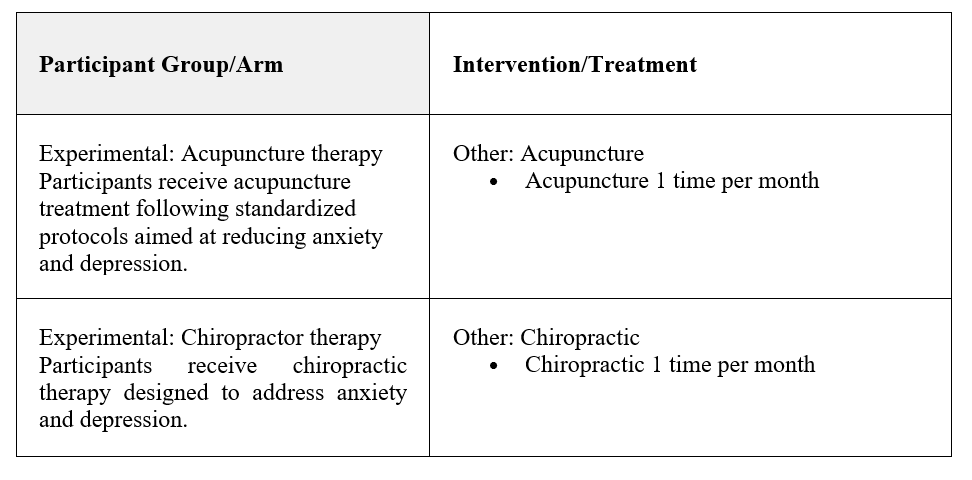
Interventional Model
Parallel Assignment: Participants are assigned to one of two groups, each receiving a different intervention. Both groups are treated simultaneously throughout the study period.
Table 3. Interventional Model.
In order to minimize bias, both the care providers administering the interventions and the investigators assessing the outcomes were blinded to group allocation details to reduce treatment delivery and outcome evaluation bias.
Study population
A sample of 30 HIV/AIDs patients was equally randomized to be either the acupuncture treatment group or the chiropractor treatment group. The study population consists of new adult HIV/AIDS patients at Being Alive, Los Angeles, who had never done acupuncture or chiropractic before. The sample comprises patients over 18 years of age, both genders, with chronic HIV/AIDs infection, and patients who maintain an undetectable viral load—the amount of HIV in the blood—by taking antiretroviral therapy (ART) daily as prescribed and cannot transmit the virus to others. Patients were seen free of charge. For those HIV patients with difficulties answering the questionnaire correctly, such as those who cannot read English, Being Alive will provide staff to help patients translate.
InclusionCriteria
Adults over 18 years of age, both genders, with a diagnosis of HIV/AIDS and no contraindications to acupuncture or chiropractic therapy.
Exclusion Criteria
Those HIV/AIDS patients who did both treatments (acupuncture and chiropractic) were excluded from the study.
Sample Size:
Power analysis was performed to determine the that 15 participants needed in each group to detect statistically significant differences between treatment methods.
Timeline:
Recruitment Period: December 2022 to March 2024
Treatment Duration: 3 months duration of the intervention for each group.
Data Collection, Analysis, and Reporting
At Being Alive, Los Angeles, two staff members administered the Hospital Anxiety and Depression Scale (HADS), Patient Health Questionnaire-9 (PHQ-9), and Generalized Anxiety Disorder-7 (GAD-7) through the questionnaire given to patients to complete in 5-10 minutes. Patients completed the questionnaire before and after each treatment. Questions included socio-demographic characteristics (age, gender, education, occupation, marital status, and others) and clinical characteristics (time since first HIV test, CD4 count, and medications). Symptoms of anxiety and depression were measured using the Hospital Anxiety and Depression Scale (HADS), an item questionnaire of each anxiety and depression. The items are rated 0, 1, 2, and 3, giving scores with minimum scores of 0 to 21 maximum. Scores for anxiety or depression subscales ranging from 0-7 are considered non-case, 8-10 considered a possible case, and 11–21 considered probable case, which have been reclassified and relabeled as follows: 0-7 regular, 8-10 mild, 11-15 moderate, and ≥16 severe of anxiety or depression.
The second measure, the Patient Health Questionnaire 9-item (PHQ-9) utilizes the following interpretive guidelines for severity measure: 1-4 no depression, 5-9 mild depression, 10-14 moderate depression, 15-19 moderately severe depression, and 20-27 severe depression (Karen L Smarr, 2022).
Generalized Anxiety Disorder 7-item (GAD-7) Scoring Scores of 5, 10, and 15 are taken as the cut-off points for mild, moderate, and severe anxiety, respectively. (Spitzer RL, 2006).
Four 2 (group) by 3 (time), repeated measures, Analysis of variance (ANOVA) was conducted to determine the statistical significance of the decreases in depression and anxiety levels over the course of treatment and to determine if the decreases were significantly different in the two treatment groups (acupuncture versus chiropractic).
Ethical considerations
Informed consent was obtained from all participants by clearly explaining the study purpose, procedures, potential risks, and benefits. Ensure participant data was kept confidentially and securely stored. Participants received all acupuncture and chiropractic therapy at no cost.
3. Results
Four separate 2 (Group: acupuncture vs chiropractic) × 3 (Time: Month 1, Month 2, Month 3) repeated-measures analyses of variance (RM-ANOVA) were conducted for depression and anxiety outcomes (HADS-Depression, PHQ-9, HADS-Anxiety, GAD-7). The primary hypothesis tests focused on the main effect of Time and the Group × Time interaction. Analyses were conducted using two-sided tests with α = .05. RM-ANOVA analyses were conducted using complete cases for each outcome (participants with observed data at all three time points). The results are shown in Table 4.
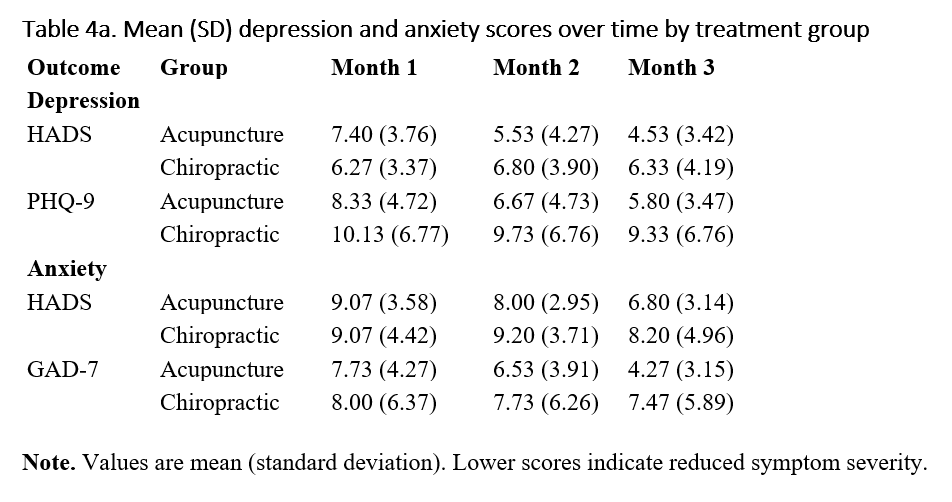
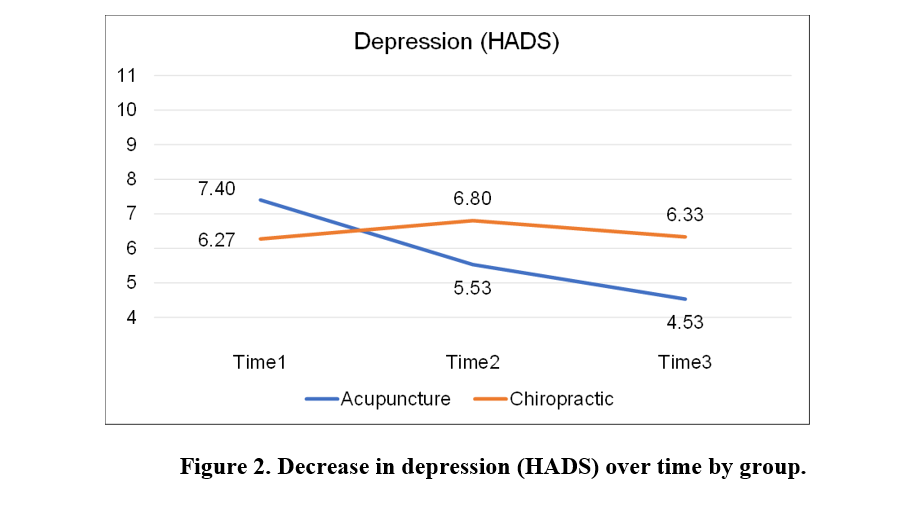
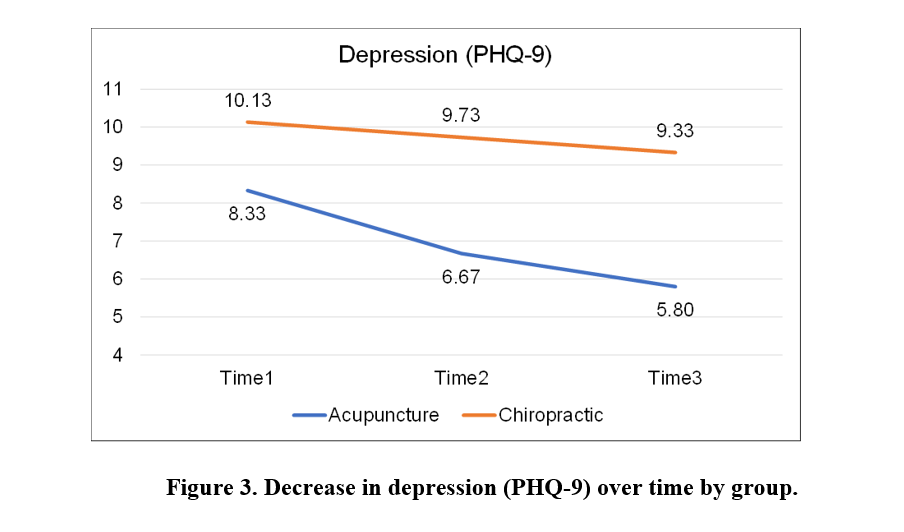
Significant time effects were observed for the primary endpoint, the HADS depression scale (F = 10.25, p = .003) and the secondary endpoint, PHQ-9 (F = 20.44, p < .001). Significant Group × Time interactions were also detected for the HADS depression scale (F = 11.25, p = .002) and the PHQ-9 (F = 5.53, p = .026), indicating differential patterns of change over time between treatment groups. Inspection of mean scores demonstrates greater reductions in depressive symptoms across time among participants receiving acupuncture compared with chiropractic treatment group (Table 5a).
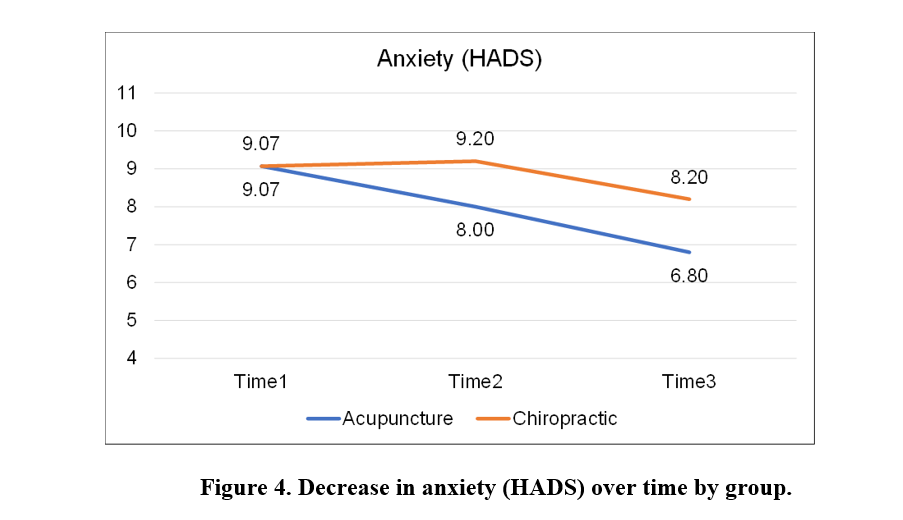
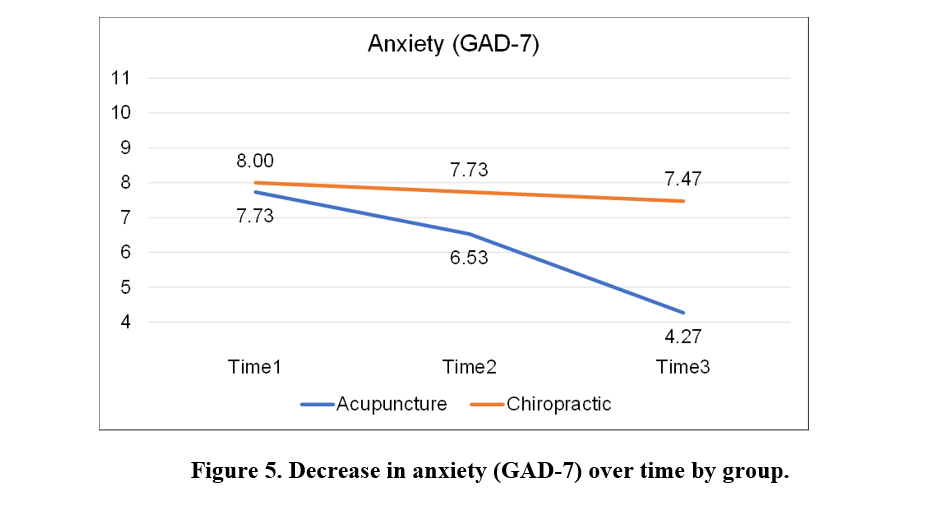
For anxiety outcomes, significant time effects were observed for the HADS anxiety scale (F = 23.25, p < .001) and the GAD-7 (F = 32.47, p < .001). Significant Group × Time interactions were also found for the HADS anxiety scale (F = 4.64, p = .040) and GAD-7 (F = 17.46, p < .001), suggesting greater symptom reduction over time in the acupuncture group relative to the chiropractic group. The HADS-Depression scale was utilized as the primary endpoint because it is established in medically complex populations and its sensitivity to somatic symptom overlap is somewhat reduced. These results are further illustrated in Figures 2 through 5.
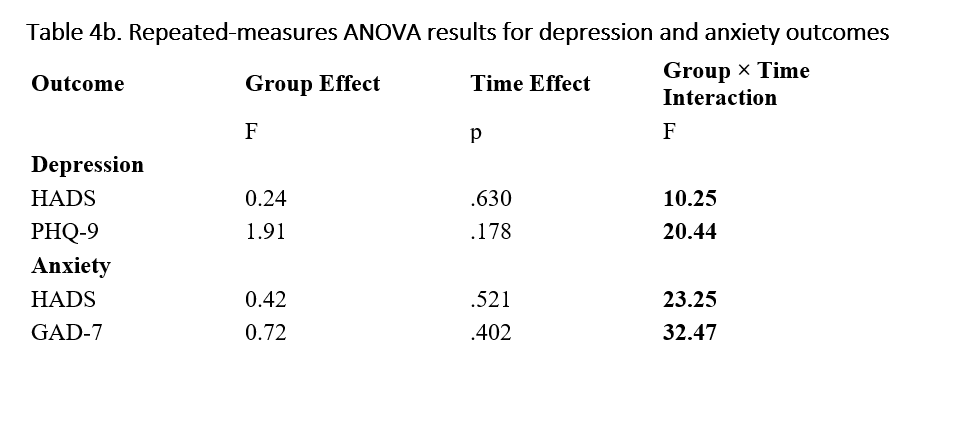
Note. Group effects test overall differences between acupuncture and chiropractic treatment. Time effects test change across assessment points. Group × Time interactions test differential change over time between treatment groups. Significant effects (p < .05) are shown in bold.
5. Discussion
This pragmatic, patient-centered study, allowed participants to choose their preferred treatment modality, reflecting real-world integrative care practices within a community based HIV service organization. Through direct comparison of two non-pharmacological interventions in a population with high psychiatric comorbidity and complex medical profiles, this pilot study addresses and important gap in the literature and provides preliminary data to inform the design of a larger, randomized controlled trial.
In addition to the high prevalence of depression and anxiety among PLWH/A, several HIV medications can also have side effects that can cause depression and other psychological symptoms. Pharmacological standards of care for depression and anxiety in people living with HIV/AIDS (PLWH/A) include selective serotonin reuptake inhibitors (SSRIs) as first-line treatment for most patients with major depression or drugs such as venlafaxine and duloxetine, classified as dual serotonin-norepinephrine reuptake inhibitors (SNRIs). Clinical guidelines commonly recommend the use of an SNRI in patients who do not respond to SSRI. More recent developments have led to drugs that block serotonin reuptake while having additional effects on various 5-hydroxytryptamine (5-HT) receptor subtypes. Timely detection and appropriate treatment of these symptoms may effectively improve compliance with Western medicine, and the addition of acupuncture and chiropractic care may also enhance the quality of life in patients living with HIV/AIDS.
In this pilot controlled clinical trial, we observed significant reductions in both depression and anxiety over time in both treatment groups – acupuncture and chiropractic therapy. However, the acupuncture group experienced significantly greater improvement across all four validated outcome measures. Changes in the chiropractic group were smaller and less consistent than the acupuncture group which exhibited progressive reductions in symptom severity across the three-month treatment period. We can consider the findings robust, given that the patterns were observed across both depression (HADS-D, PHQ-9) and anxiety (HADS-A, GAD-7) measures. Additionally, the findings across these validated instruments may also be considered notable given the medically complex nature of the study population, and meaningful, in that the we are actually observing changes in mental health status rather than measurement artifact.
From a clinical perspective, these findings support the use of acupuncture for people living with HIV/AIDS, offering a feasible adjunctive approach for the management of depression and anxiety without adding to the medication burden or complicating antiretroviral therapy regimens. Further, the community-based model employed at Being Alive further supports the potential scalability and acceptability of integrative therapies within HIV service organizations, especially for patients who may be reluctant to initiate or escalate psychotropic medications.
6. Conclusion
The purpose of this pilot controlled clinical trial was to show that acupuncture and chiropractic therapy can reduce depression and anxiety levels in people living with HIV and AIDS. The results of this study should be treated with caution due to the small sample size and frequency of treatments; however, the results highlight the potential value of non-pharmacologic, integrative therapies in addressing mental health symptoms in a medically complex population with acupuncture showing significantly greater improvements across multiple validated outcome measures. Given the high prevalence of depression and anxiety among PLWH/A, frequent polypharmacy, and concerns regarding drug interactions with antiretroviral therapy, acupuncture may represent a clinically meaningful adjunctive option for mental health support within comprehensive HIV care. This pilot study should be seen as jus the first step towards designing a large scale clinical trial of group acupuncture therapy versus chiropractor group therapy in this unique population. The results provide valuable insight and contribute to a deeper understanding of the treatment of depression and anxiety, and suitable depression and anxiety measurements.
Ethical approval
The study protocol was approved by the Yo San University of Traditional Chinese Medicine Institutional Review Board with oversight by Dr. Farshid Namin, IRB Coordinator (Approval C12260822).
Clinicaltrials.gov registration number: NCT05936905
Data availability
The data used to support the findings of this study are available from the corresponding author upon request.
Funding
This study received no financial support of funding.
Declaration of competing interest
The author Robert D. Hoffman is an editorial board members of CTMP, and the other authors have no conflicts of interest to declare.
Credit authorship contribution statement
Author Acknowledgements: CB designed the study, carried out the research, and wrote the paper. ET and RH reviewed and edited the document. The author Robert D. Hoffman is one of the editorial board members of CTMP, and the other authors have no conflicts of interest to declare.
AI Disclosure: No generative AI was used during this research project, nor during the writing of this manuscript.
References
Andriote, J.-M. n.d. HIV and clinical depression. American Psychiatric Association, https://www.psychiatry.org/File%20Library/Psychiatrists/Practice/Professional-Topics/HIV-Psychiatry/FactSheet-Depression-2012.pdf.
Arish Mudra Rakshasa-Loots, H.C. 2022. Neuroinflammation in HIV-associated depression: evidence and future perspectives. Mol. Psychiatry, 27 (2022), pp. 3619–3632, 10.1038/s41380-022-01619-2.
Bennett, H. 2010. Why do you get butterflies in your stomach? Washington Post, https://www.washingtonpost.com/wp-dyn/content/article/2010/05/09/AR2010050902953.html.
Bhatia, M.S., Munjal, S. 2014. Prevalence of depression in people living with HIV/AIDS undergoing ART and factors associated with it. J. Clin. Diagn. Res., 8 (2014), eWC01–eWC04, 10.7860/JCDR/2014/7725.4927.
Boonmee Phuangphet, G.N. 2016. Physical illness heals with herbs, mental illness heals with Dharma. Think Beyond, Thailand.
Cai, S., Li, L. 2020. Depression, anxiety, psychological symptoms and health-related quality of life in people living with HIV. Patient Prefer. Adherence, 14 (2020), pp. 1533–1540, 10.2147/PPA.S263007.
Cai, X., Pan, L. 2022. The ultimate guide to the acupuncture point on head for headaches. Art of Wellness, https://myartofwellness.com/ultimate-guide-to-the-acupuncture-point-on-head-for-headaches/.
Camara, A., et al. 2020. Anxiety and depression among HIV patients at Conakry University Hospital. Epidemiol. Infect., 148 (2020), e8, 10.1017/S095026881900222X.
Centers for Disease Control and Prevention (CDC). 2022. About HIV. CDC, https://www.cdc.gov/hiv/basics/whatishiv.html.
Centers for Disease Control and Prevention (CDC). 2024. Sexually transmitted infections (STIs). CDC, https://www.cdc.gov/sti/prevention/index.html.
Chu, E.C.P., et al. 2018. Long-term relief from tension-type headache and major depression following chiropractic treatment. J. Fam. Med. Prim. Care, 7 (2018), pp. 629–631, 10.4103/jfmpc.jfmpc_68_18.
Cupler, Z.A. 2021. The chiropractor’s role in primary, secondary, and tertiary prevention of suicide: a clinical guide. J. Can. Chiropr. Assoc., 65 (2021), pp. 137–155.
Cupler, Z.A., Jones, C.J. 2021. Suicide prevention, public health, and the chiropractic profession: a call to action. Chiropr. Man. Therap., 29 (2021), p. 14, 10.1186/s12998-021-00372-7.
Da, X.-L., Yang, L.-F., Bai, Y.-J., Jin, J.-X. 2021. Potential therapeutic effect and methods of traditional Chinese medicine on COVID-19-induced depression: a review. Anat. Rec., 304 (2021), pp. 2566–2578, 10.1002/ar.24758.
Daniels, C.J., et al. 2022. Coordination of care between chiropractic and behavioral health practitioners within the U.S. Department of Veterans Affairs health care system. J. Chiropr. Med., 21 (2022), pp. 1–8, 10.1016/j.jcm.2022.01.002.
Deadman, P., Al-Khafaji, M., Baker, K. 1998. A manual of acupuncture, 2nd ed. Journal of Chinese Medicine Publications, East Sussex.
Feng, S., et al. 2015. Discovery of acupoints and combinations with potential to treat vascular dementia. Evid. Based Complement. Alternat. Med., 2015, 310591, 10.1155/2015/310591.
Feng, S., et al. 2020. Discovery of acupoints and combinations with potential to treat vascular dementia. Evid. Based Complement. Alternat. Med., 2020, 8165296, 10.1155/2020/8165296.
Harmer, C.J. 2017. How do antidepressants work? New perspectives for refining future treatment approaches. Lancet Psychiatry, 4 (2017), pp. 409–418, 10.1016/S2215-0366(17)30015-9.
Hu, B., et al. 2017. The endocannabinoid system as a key participant in acupuncture’s multiple beneficial effects. Neurosci. Biobehav. Rev., 77 (2017), pp. 340–357, 10.1016/j.neubiorev.2017.04.006.
Jameson, J.L., Fauci, A.S. 2020. HIV infection and AIDS. In: Harrison’s Manual of Medicine, 20th ed., McGraw-Hill Education.
Jamison, J.R. 1999. Stress: the chiropractic patients’ self-perceptions. J. Manipulative Physiol. Ther., 22 (1999), pp. 395–398, 10.1016/S0161-4754(99)70085-0.
Jiang, Y.P., Peng, D. 2003. The TCM diagnosis and treatment of bipolar disorder, part two. Acupuncture Today, https://acupuncturetoday.com/article/28325-the-tcm-diagnosis-and-treatment-of-bipolar-disorder-part-two.
Karunamuni, N. 2015. The five-aggregate model of the mind. SAGE Open, 5 (2015), 10.1177/2158244015583860.
Khakha, D.C., et al. 2015. Three sides of a coin in the life of people living with HIV. Indian J. Community Med., 40 (2015), pp. 233–238, 10.4103/0970-0218.164385.
Kiani, A.K., et al. 2020. Neurobiological basis of chiropractic manipulative treatment of the spine in major depression. Acta Biomed., 91 (2020), e202013S, 10.23750/abm.v91i13-S.10536.
Kroenke, K., Spitzer, R.L., Williams, J.B. 2001. The PHQ-9: validity of a brief depression severity measure. J. Gen. Intern. Med., 16 (2001), pp. 606–613, 10.1046/j.1525-1497.2001.016009606.x.
Li, C. 2020. Traditional Chinese medicine in depression treatment: from molecules to systems. Front. Pharmacol., 11 (2020), p. 586, 10.3389/fphar.2020.00586.
Maciocia, G. 2005. The foundations of Chinese medicine, 2nd ed. Churchill Livingstone, Edinburgh.
Maciocia, G. 2007. The practice of Chinese medicine, 2nd ed. Churchill Livingstone, Edinburgh.
Maciocia, G. 2008. The practice of Chinese medicine, 2nd ed. Churchill Livingstone, Edinburgh.
Michopoulos, I., et al. 2008. Hospital anxiety and depression scale (HADS): validation in a Greek general hospital sample. Ann. Gen. Psychiatry, 7 (2008), p. 4, 10.1186/1744-859X-7-4.
Morena, M., Patel, S. 2016. Neurobiological interactions between stress and the endocannabinoid system. Neuropsychopharmacology, 41 (2016), pp. 80–102.
National Institute of Mental Health (NIMH). 2022. Generalized anxiety disorder. NIMH, https://www.nimh.nih.gov/health/publications/generalized-anxiety-disorder-gad.
National Institute of Mental Health (NIMH). 2022. Panic disorder. NIMH, https://www.nimh.nih.gov/health/publications/panic-disorder-when-fear-overwhelms.
National Institute of Mental Health (NIMH). 2023. Depression. NIMH, https://www.nimh.nih.gov/health/topics/depression.
National Institutes of Health (NIH). 2019. Chiropractic: in depth. NCCIH, https://www.nccih.nih.gov/health/chiropractic-in-depth.
National Institutes of Health (NIH). 2022. Meditation and mindfulness: what you need to know. NCCIH, https://www.nccih.nih.gov/health/meditation-and-mindfulness-what-you-need-to-know.
NeuroLaunch. 2024. Chiropractic depression. NeuroLaunch, https://neurolaunch.com/chiropractic-depression/.
Pilkington, K. 2010. Anxiety, depression and acupuncture: a review of the clinical research. Auton. Neurosci., 157 (2010), pp. 91–95, 10.1016/j.autneu.2010.04.002.
Sapra, A., et al. 2020. Using GAD-2 and GAD-7 in a primary care setting. Cureus, 12 (2020), e8224, 10.7759/cureus.8224.
Smarr, K.L., Keefer, A.L. 2022. Measures of depression and depressive symptoms. Arthritis Care Res., 72 (2022), pp. 401–410, 10.1002/acr.24191.
Spitzer, R.L., Kroenke, K., Williams, J.B., Löwe, B. 2006. A brief measure for assessing generalized anxiety disorder: the GAD-7. Arch. Intern. Med., 166 (2006), pp. 1092–1097, 10.1001/archinte.166.10.1092.
Staff, Mayo Clinic. 2023. Meditation: a simple, fast way to reduce stress. Mayo Clinic, https://www.mayoclinic.org/tests-procedures/meditation/in-depth/meditation.
Stern, A.F. 2014. The hospital anxiety and depression scale. Occup. Med., 64 (2014), pp. 393–394, 10.1093/occmed/kqu024.
Sudjaritruk, T., et al. 2021. Integration of mental health services into HIV healthcare facilities among Thai adolescents and young adults. J. Int. AIDS Soc., 24 (2021), e25668, 10.1002/jia2.25668.
Teoli, D., et al. 2023. Quality of life. StatPearls, National Library of Medicine, https://www.ncbi.nlm.nih.gov/books/NBK536962/.
Traditional Chinese Medicine for Depression. 2012. TCM Simple, https://www.tcmsimple.com/depression.php.
Wang, J.D., Wang, T.B. 2002. An alternative method to enhance vagal activities and suppress sympathetic activities in humans. Auton. Neurosci., 100 (2002), pp. 95–102, 10.1016/S1566-0702(02)00150-9.
World Health Organization (WHO). 2022. Mental disorders. WHO, https://www.who.int/news-room/fact-sheets/detail/mental-disorders.
World Health Organization (WHO). 2022. Mental health: strengthening our response. WHO, https://www.who.int/news-room/fact-sheets/detail/mental-health-strengthening-our-response.
World Health Organization (WHO). 2023. Anxiety disorders. WHO, https://www.who.int/news-room/fact-sheets/detail/anxiety-disorders.
World Health Organization (WHO). 2023. HIV and AIDS. WHO, https://www.who.int/news-room/fact-sheets/detail/hiv-aids.